
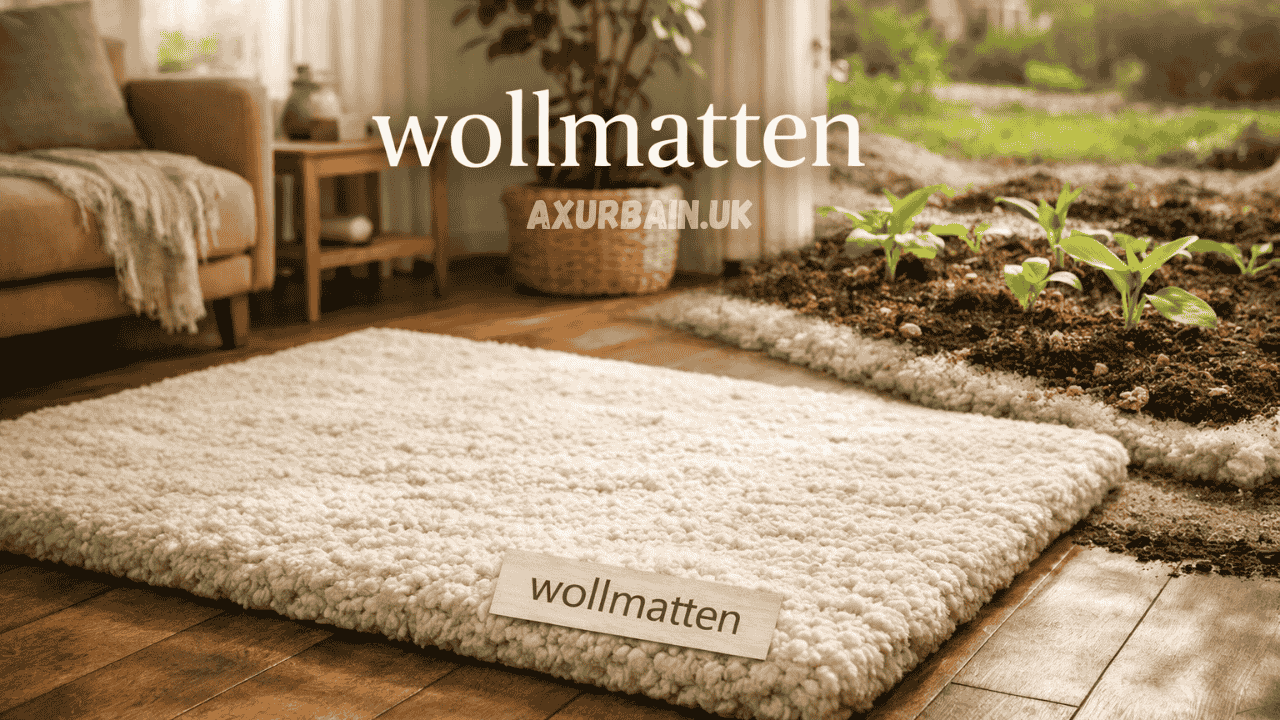
Wollmatten have started gaining attention as people look for materials that are both functional and environmentally responsible. The term refers to mats made from wool fibers that are processed into dense, durable forms for different uses. While they may sound simple, wollmatten serve a wide range of purposes across homes, gardens, and even construction. Their appeal comes from a mix of comfort, sustainability, and long-term performance. Understanding how wollmatten work and where they can be used gives a clearer picture of why they are becoming more popular.
What wollmatten actually are and how they are made
Wollmatten are essentially mats created from natural sheep wool that has been cleaned, processed, and compressed into a usable form. The production process begins with raw wool, which is washed to remove dirt and oils. After cleaning, the fibers are aligned and then bonded together through methods like felting or needle punching. This creates a dense structure that holds its shape while still maintaining flexibility.
The manufacturing process plays a big role in the performance of wollmatten. Heat, moisture, and pressure are often applied to lock the fibers together without using heavy chemicals. This results in a product that remains breathable and natural. Because of this method, wollmatten retain many of wool’s original properties, including insulation and moisture control. These characteristics make them suitable for both indoor and outdoor use.
Key benefits that make wollmatten stand out
One of the main reasons people choose wollmatten is their ability to provide natural comfort and warmth. Wool fibers trap air, which helps regulate temperature in both cold and warm conditions. This makes wollmatten useful throughout the year rather than just in winter. They also feel soft underfoot, adding a level of comfort that synthetic mats often lack.
Another major advantage is durability, as wollmatten tend to maintain their shape even after long periods of use. Wool fibers naturally bounce back, which prevents flattening over time. In addition, these mats can handle moisture without becoming unpleasant or soggy. This makes them practical for areas where humidity is a concern. The combination of resilience and comfort gives wollmatten an edge over many alternatives.
Some standout benefits include:
- Natural temperature regulation for year-round use
- Moisture absorption without feeling wet
- Long lifespan due to resilient fibers
- Comfortable texture for everyday use
How wollmatten support sustainable living
Wollmatten are often linked with eco-friendly practices because they are made from renewable materials. Wool is a natural resource that grows back, making it more sustainable than petroleum-based products. In many cases, wollmatten are produced using wool that might otherwise go to waste. This reduces material waste and supports a circular approach to production.
Another important factor is biodegradability, as wollmatten can break down naturally over time. Unlike synthetic mats that sit in landfills for years, wool-based products return to the soil without causing long-term harm. This makes them a better option for people trying to reduce their environmental impact. Choosing wollmatten is not just about function, but also about making a more responsible material choice.
Common uses of wollmatten in everyday life
Wollmatten are used in a variety of settings because of their versatility and natural properties. In homes, they are often placed in living rooms, bedrooms, and workspaces where comfort is a priority. Their soft texture and insulating qualities make them a practical addition to spaces where people spend a lot of time. They also contribute to a quieter environment by absorbing sound.
In addition to home use, wollmatten are becoming popular in specialized areas. Their ability to handle moisture and regulate temperature makes them useful in more demanding conditions. This flexibility allows them to serve different roles without needing multiple materials.
Some common applications include:
- Floor mats for living and sleeping areas
- Yoga or exercise mats with natural cushioning
- Decorative rugs that add warmth to interiors
- Acoustic panels for noise reduction
Wollmatten in gardening and agriculture
One of the less obvious uses of wollmatten is in gardening and agriculture, where they provide practical benefits for soil management. Wool has the ability to hold a significant amount of water, which helps maintain moisture levels in the soil. This makes wollmatten useful for reducing the frequency of watering, especially in dry conditions. They act as a buffer that slowly releases water back into the ground.
Wollmatten also contribute nutrients to the soil as they break down over time. Wool contains nitrogen, which supports plant growth and improves soil quality. This makes them a natural alternative to synthetic fertilizers. Gardeners often use wollmatten as a protective layer to reduce weed growth and protect plant roots. Their multifunctional role makes them a valuable addition to sustainable gardening practices.
Role of wollmatten in construction and insulation
Wollmatten are also used in construction, particularly as an eco-friendly insulation material. Their natural fiber structure allows them to trap air, which helps maintain indoor temperatures. This reduces the need for artificial heating and cooling, leading to better energy efficiency. Builders looking for sustainable options often consider wollmatten as an alternative to traditional insulation materials.
Another advantage is sound absorption, which makes wollmatten suitable for improving indoor acoustics. They can reduce noise levels in homes, offices, and shared spaces. This creates a more comfortable and peaceful environment. In addition, wollmatten do not release harmful particles, which improves indoor air quality. Their performance in construction settings highlights their versatility beyond simple household use.
Different types of wollmatten available
Wollmatten come in different forms depending on how they are intended to be used. Some are designed for decorative purposes, while others are built for durability and function. Understanding the different types helps in choosing the right one for specific needs. Each type offers unique features that suit different environments.
Here are some common types of wollmatten:
- Decorative wollmatten for interior design
- Thick wollmatten for insulation and flooring
- Thin wollmatten for portable use like yoga
- Garden wollmatten for soil and plant support
- Acoustic wollmatten for sound control
Each type is created with a specific purpose in mind, but all share the core benefits of wool as a material. This variety allows wollmatten to fit into many aspects of daily life.
How to choose the right wollmatten for your needs
Choosing the right wollmatten depends on how and where they will be used. For home interiors, comfort and appearance are usually the main priorities. Thicker mats work well for insulation and cushioning, while thinner ones are easier to move and store. Considering the intended use helps narrow down the options quickly.
Durability is another important factor when selecting wollmatten. For high-traffic areas, a denser and more tightly packed mat will last longer. In outdoor or garden settings, moisture handling becomes more important. Paying attention to these details ensures that the wollmatten perform as expected. A well-chosen mat can last for years without losing its effectiveness.
Advantages and limitations to keep in mind
Wollmatten offer many advantages, but they are not without limitations. Their natural composition makes them more expensive than some synthetic alternatives. However, this cost is often balanced by their longer lifespan and performance. They also require proper care to maintain their quality over time.
Despite these limitations, wollmatten remain a strong choice for those who value natural materials. Their benefits often outweigh the drawbacks, especially when used in the right setting. Understanding both sides helps in making a more informed decision. This ensures that the investment in wollmatten delivers long-term value.
Conclusion
Wollmatten have moved beyond being simple wool mats and have become a practical solution for modern needs. Their combination of comfort, durability, and environmental benefits makes them suitable for a wide range of uses. From home interiors to gardening and construction, wollmatten offer flexibility that few materials can match. They provide both immediate comfort and long-term value, which explains their growing popularity.
As more people look for sustainable alternatives, wollmatten are likely to play an even bigger role in everyday life. Their ability to balance function and responsibility makes them a smart choice across different applications. Whether used for comfort, insulation, or soil support, wollmatten deliver consistent performance. Choosing wollmatten is not just about following a trend, but about investing in a material that works in multiple ways.
FAQs
- What are wollmatten used for?
Wollmatten are used for flooring, insulation, gardening, and sound absorption, making them highly versatile. - Are wollmatten environmentally friendly?
Yes, wollmatten are made from natural wool, which is renewable and biodegradable. - Can wollmatten be used outdoors?
Yes, wollmatten can be used in gardens and landscaping due to their moisture retention and durability. - Do wollmatten require special maintenance?
They require basic care such as regular cleaning and keeping them dry to maintain their quality. - Are wollmatten better than synthetic mats?
Wollmatten offer natural insulation, comfort, and sustainability, which many users prefer over synthetic options.













Leave a Reply