
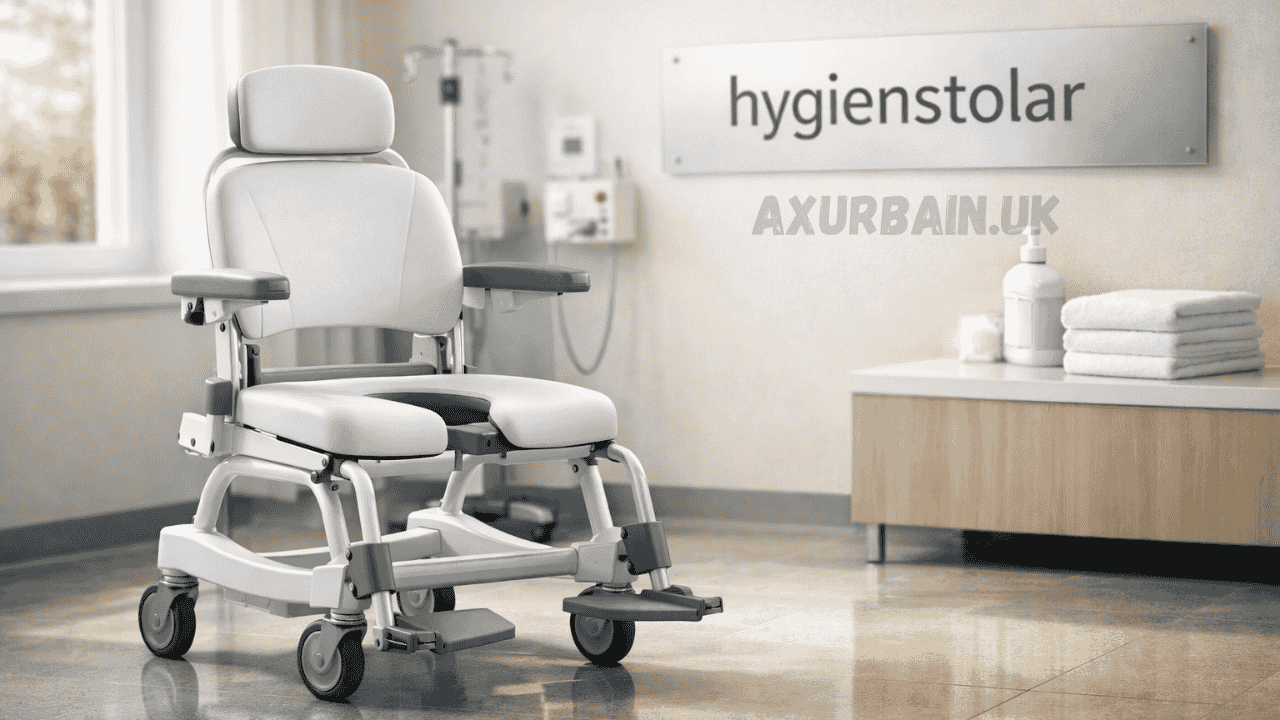
The idea behind hygienstolar is simple, but its impact is practical and wide-reaching. As more spaces focus on cleanliness and safety, furniture has started to evolve in ways that go beyond comfort and appearance. Hygienstolar represents this shift by offering seating solutions designed specifically for hygiene-focused environments. These chairs are not just functional but built to meet strict cleanliness standards in both medical and public settings. Understanding hygienstolar helps explain why they are becoming more common in everyday spaces.
what hygienstolar actually means in modern usage
The term hygienstolar comes from Scandinavian roots and directly relates to chairs designed with hygiene in mind. In practical use, hygienstolar refers to seating that can be easily cleaned, resists contamination, and supports safe usage in shared environments. These chairs are commonly found in healthcare facilities, but their use is expanding into offices, schools, and even homes. The concept focuses on reducing the spread of germs through smart design and material choices. Over time, hygienstolar has grown from a niche product into a broader category of hygienic furniture.
In modern contexts, hygienstolar can also include specialized chairs used for bathing, toileting, or patient mobility. These designs go beyond regular seating and provide additional support for users who need assistance. The dual meaning of hygienstolar makes it a flexible term that fits both medical and general use cases. Whether used in hospitals or public waiting areas, the goal remains the same: maintain cleanliness without sacrificing usability. This makes hygienstolar relevant across multiple industries.
why hygienstolar matters in today’s environments
Cleanliness has become a top concern in shared spaces, and furniture plays a bigger role than most people realize. Hygienstolar addresses this by offering surfaces that are easy to disinfect and resistant to bacteria buildup. In places where many people use the same seating, this can significantly reduce hygiene risks. The importance of hygienstolar has increased as awareness around infection control has grown. It is no longer limited to hospitals but is now seen as a smart choice for any high-traffic area.
Another reason hygienstolar matters is efficiency in maintenance. Cleaning staff can quickly sanitize these chairs without needing special treatments or long drying times. This saves time and ensures that spaces remain usable throughout the day. In healthcare settings, this efficiency can directly impact patient safety and workflow. Hygienstolar helps create an environment where hygiene is built into the design rather than treated as an afterthought.
key features that define hygienstolar
The effectiveness of hygienstolar comes from a combination of design choices and materials. These features are carefully selected to support hygiene without making the chair uncomfortable or difficult to use. Each element plays a role in maintaining cleanliness and durability over time. Understanding these features helps in identifying high-quality hygienstolar products.
Some of the most common features include:
- non-porous materials that do not absorb liquids or bacteria
- smooth surfaces that allow quick and thorough cleaning
- antimicrobial coatings to reduce microbial growth
- water-resistant construction for long-term durability
- ergonomic design for user comfort and support
These features make hygienstolar different from standard chairs that often use fabric or wood. Traditional materials can trap dirt and moisture, making them harder to clean. Hygienstolar avoids these issues by focusing on hygiene-first construction. This ensures the chair remains safe and usable even after repeated use.
benefits of using hygienstolar in different settings
One of the strongest advantages of hygienstolar is its ability to reduce infection risks. In environments like hospitals and clinics, this can directly impact patient outcomes. By minimizing surfaces where bacteria can grow, hygienstolar supports a cleaner and safer space. This benefit alone makes it a valuable investment for healthcare providers. It also adds peace of mind for users who rely on these facilities.
Another key benefit is durability. Hygienstolar is built to withstand frequent cleaning and heavy use without breaking down. This makes it cost-effective over time, even if the initial investment is higher. The materials used are resistant to wear, moisture, and chemicals, which extends the lifespan of the chair. Businesses and institutions benefit from fewer replacements and lower maintenance costs.
Hygienstolar also improves user experience in subtle ways. For patients or elderly individuals, specialized designs offer comfort and independence. Caregivers find these chairs easier to manage, reducing physical strain during daily tasks. In public spaces, users may not notice the design details, but they benefit from a cleaner environment. This combination of visible and invisible advantages makes hygienstolar a practical choice.
common places where hygienstolar is used
Hygienstolar is now used in a wide range of environments, each with its own specific needs. While healthcare remains the primary setting, other industries are adopting these chairs to improve hygiene standards. The flexibility of hygienstolar allows it to fit into both specialized and general use cases. This wide application is one reason for its growing popularity.
You will commonly find hygienstolar in:
- hospitals and medical clinics
- elderly care and rehabilitation centers
- dental practices and treatment rooms
- schools and daycare facilities
- airports and public waiting areas
Each of these locations benefits from improved hygiene and easier maintenance. In healthcare, the focus is on patient safety and caregiver efficiency. In public spaces, the goal is to reduce the spread of germs among large groups of people. Hygienstolar adapts to these needs without requiring major changes in layout or design.
hygienstolar compared to traditional chairs
The difference between hygienstolar and regular chairs becomes clear when you look at materials and usability. Traditional chairs often use fabric, foam, or untreated wood, which can absorb spills and trap bacteria. Cleaning these surfaces requires more effort and may not always be fully effective. Hygienstolar, on the other hand, is designed for quick and complete sanitation. This makes it far more suitable for shared or sensitive environments.
Another difference lies in safety features. Hygienstolar often includes elements like non-slip bases, stable frames, and adjustable components. These features are especially important in medical or elderly care settings. Regular chairs rarely offer this level of support or adaptability. The result is a clear gap in both functionality and hygiene standards.
In terms of lifespan, hygienstolar tends to last longer under demanding conditions. Frequent cleaning does not damage the materials, which helps maintain performance over time. Traditional chairs may degrade quickly when exposed to moisture or cleaning chemicals. This makes hygienstolar a more reliable option for long-term use.
how to choose the right hygienstolar
Selecting the right hygienstolar depends on the intended use and environment. Not all models are designed for the same purpose, so it is important to match features with specific needs. For example, a hospital may require advanced mobility features, while a public space may prioritize durability and easy cleaning. Understanding these differences helps in making a better decision.
When choosing hygienstolar, consider the following factors:
- type of material and its resistance to moisture and bacteria
- ease of cleaning and maintenance requirements
- level of comfort and ergonomic support
- presence of safety features like locks or anti-slip bases
- suitability for the intended environment
Taking the time to evaluate these points can prevent costly mistakes. A well-chosen hygienstolar will perform reliably and meet hygiene standards without constant adjustments. It also ensures that users feel comfortable and secure while using the chair. This balance between hygiene and usability is what defines a good selection.
future trends shaping hygienstolar design
The development of hygienstolar is moving toward smarter and more efficient solutions. Manufacturers are exploring materials that actively resist bacteria rather than just allowing easy cleaning. This includes advanced coatings and surfaces that break down microbes on contact. These innovations could further improve hygiene standards in high-risk environments. The future of hygienstolar is closely tied to advancements in material science.
Another trend is the integration of technology. Some designs are beginning to include features that monitor usage or assist with cleaning processes. While still in early stages, these ideas show how hygienstolar could evolve beyond basic functionality. Sustainability is also becoming a focus, with more eco-friendly materials being used in production. This ensures that hygiene improvements do not come at the cost of environmental impact.
As demand grows, hygienstolar will likely become a standard feature in many public and private spaces. The shift toward hygiene-focused design is not temporary but part of a larger change in how spaces are managed. This makes hygienstolar an important area to watch in the coming years.
conclusion
Hygienstolar is more than just a type of chair; it represents a shift toward cleaner, safer environments. From hospitals to public spaces, these chairs address real concerns about hygiene and usability. Their design combines practical features with durable materials, making them suitable for a wide range of applications. As awareness of cleanliness continues to grow, the demand for hygienstolar is expected to rise. Investing in hygienstolar is not just about furniture but about creating spaces that prioritize health and efficiency.
faqs
- what is hygienstolar used for
hygienstolar is used in environments where hygiene is important, such as hospitals, clinics, and public spaces, to provide safe and easy-to-clean seating. - how is hygienstolar different from regular chairs
hygienstolar uses non-porous materials and hygienic designs, making it easier to clean and more resistant to bacteria compared to regular chairs. - can hygienstolar be used at home
yes, hygienstolar can be used at home, especially for elderly care or individuals who need additional hygiene support. - are hygienstolar chairs expensive
the initial cost of hygienstolar may be higher, but they are durable and require less maintenance, making them cost-effective over time. - what materials are commonly used in hygienstolar
common materials include plastic, stainless steel, and coated surfaces that resist moisture and bacteria buildup.







Leave a Reply