
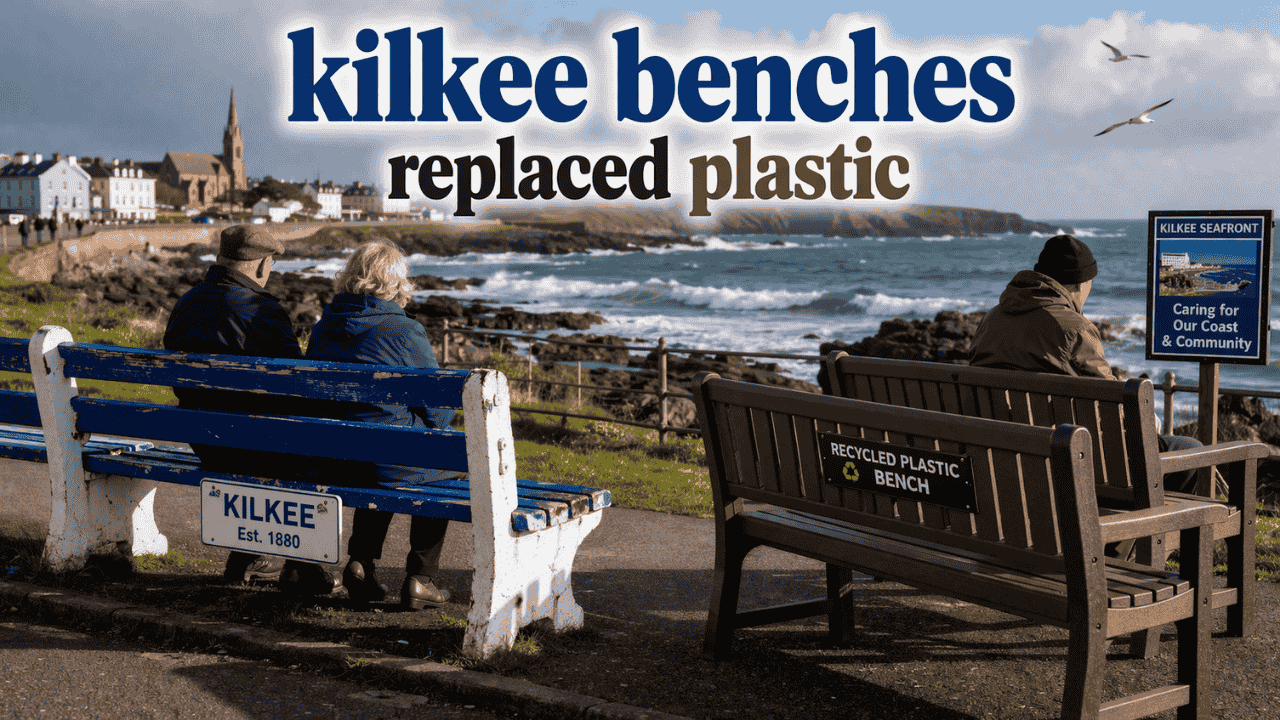
The story of kilkee benches replaced plastic might sound like a small local update, but it quickly turned into a wider conversation about design, identity, and decision-making. What began as a simple infrastructure change in a coastal Irish town ended up drawing attention far beyond its shoreline. People weren’t just reacting to benches being swapped out. They were responding to what those benches represented in their daily lives. That’s what makes this situation worth unpacking in detail.
What happened in Kilkee and why it gained attention
The phrase kilkee benches replaced plastic refers to a decision made by local authorities to remove traditional wooden benches along the seafront and replace them with recycled plastic versions. Around twenty benches were taken out and replaced as part of what officials described as an upgrade. The goal was to improve durability and reduce long-term maintenance costs. Coastal weather conditions had been wearing down the original wooden structures over time.
The story didn’t stay local for long because people reacted strongly. Residents, visitors, and even media outlets picked up on the emotional side of the change. The benches weren’t just functional seating; they were part of the town’s visual identity. Once removed, the difference felt immediate and noticeable. That reaction pushed the issue into wider discussion.
Why the original benches mattered to locals
To understand the reaction, you have to look at what those benches meant beyond their basic use. The original benches were painted in bright colors tied to local culture and sports identity. They had been part of the landscape for years, quietly becoming familiar landmarks. People associated them with walks, conversations, and memories.
For many residents, the kilkee benches replaced plastic decision felt like losing a piece of the town’s personality. It wasn’t just about wood versus plastic. It was about continuity and familiarity being disrupted. Even small design elements can carry emotional weight when they’re part of everyday life. That’s why the backlash felt so strong.
The council’s reasoning behind the change
From an official perspective, the kilkee benches replaced plastic move was based on practical concerns. Coastal environments are tough on materials, especially untreated or frequently exposed wood. Salt, wind, and moisture accelerate damage and increase maintenance needs. Replacing benches regularly or repairing them becomes expensive over time.
The shift to recycled plastic was presented as a long-term solution. Plastic benches are more resistant to weather damage and require less upkeep. They also align with sustainability goals by using recycled materials. On paper, the decision made sense from a cost and durability standpoint. The issue wasn’t logic, it was how that logic was applied.
Public backlash and lack of consultation
One of the biggest triggers in the kilkee benches replaced plastic story was how the decision was made. Many residents felt they weren’t consulted before the change happened. The benches were removed and replaced without meaningful public input. That created frustration that went beyond the benches themselves.
People raised several concerns during the backlash:
- The new benches lacked the visual appeal of the originals
- The change felt sudden and unnecessary
- Cultural and historical value was ignored
- Community voices were not considered
This turned the issue into something bigger than design. It became about trust and participation. When people feel excluded from decisions that affect shared spaces, reactions tend to escalate quickly.
Sustainability versus aesthetics in public spaces
The kilkee benches replaced plastic debate highlights a common tension. Sustainability is often framed as a clear positive, but real-world decisions are rarely that simple. While recycled plastic offers environmental benefits, it doesn’t always match the visual or cultural expectations of a place. That gap can create resistance.
There’s also a perception issue. Some residents questioned whether plastic truly aligns with environmental values, especially in a natural coastal setting. Others felt that sustainability shouldn’t come at the cost of character. The balance between eco-friendly choices and aesthetic integrity is harder to strike than it seems. Kilkee became a clear example of that struggle.
The role of design in shaping identity
Public furniture might seem insignificant, but it plays a real role in shaping how a place feels. The kilkee benches replaced plastic situation shows how design choices influence perception. Visitors notice these details, even if they don’t consciously think about them. Locals, on the other hand, form deeper connections over time.
Benches, railings, signage, and small structures all contribute to a town’s identity. When those elements change, the atmosphere can shift. In Kilkee, the new benches disrupted a familiar visual rhythm. That’s why the reaction wasn’t just about preference. It was about identity being altered without warning.
Lessons for urban planning and local governance
There are clear takeaways from the kilkee benches replaced plastic case. Local authorities can learn from how this situation unfolded. Decisions that seem minor can carry unexpected weight when they affect shared spaces. Ignoring that can lead to unnecessary conflict.
Key lessons include:
- Always involve the community before making visible changes
- Consider cultural value alongside practical benefits
- Test design changes on a small scale before full rollout
- Communicate clearly about reasons and long-term goals
These steps don’t eliminate disagreement, but they reduce backlash. People are more open to change when they feel included in the process. That’s a consistent pattern in public planning.
Why small changes can create big reactions
The kilkee benches replaced plastic story fits into a broader pattern. Small physical changes often trigger strong emotional responses. That’s because they interrupt routines and expectations. People notice what disappears more than what gets added.
In everyday life, familiarity creates comfort. When something familiar is removed, even if it’s minor, it can feel like a loss. Multiply that across a community, and the reaction becomes visible. Kilkee wasn’t unique in this sense. It just became a clear example of something that happens in many places.
Media attention and wider relevance
Once the kilkee benches replaced plastic issue gained attention, it spread quickly. Media outlets picked it up because it combined several compelling elements. There was conflict, emotion, and a broader theme about sustainability. That made it relatable beyond the town itself.
Other communities started seeing parallels with their own experiences. Changes to public spaces often face similar reactions. Kilkee simply became the case people pointed to. That’s how a local story turned into a wider discussion.
The balance between progress and preservation
At its core, the kilkee benches replaced plastic situation is about balance. Progress often requires change, but not all change is received equally. When decisions overlook emotional and cultural factors, they risk rejection. Even well-intentioned upgrades can backfire.
Preservation doesn’t mean resisting all change. It means understanding what matters to people before making adjustments. In Kilkee, that step was missing. The result was a clash between practical thinking and lived experience. Finding that balance is the real challenge for any town.
Conclusion
The kilkee benches replaced plastic story shows how something simple can reveal deeper issues. It wasn’t just about replacing old benches with new ones. It was about identity, communication, and the way decisions are made. The reaction from residents made it clear that public spaces carry meaning beyond function.
This situation offers a useful lesson for planners, designers, and local authorities. Practical improvements need to be matched with awareness of cultural impact. Ignoring that creates resistance, even when intentions are good. Kilkee’s experience is a reminder that people care deeply about the places they live in, right down to the benches they sit on.
FAQs
- Why did kilkee benches replaced plastic become controversial?
The controversy came from strong local reactions, mainly because the original benches had cultural and visual importance. People felt the change was made without consultation and ignored the town’s identity. - How many benches were affected in the kilkee benches replaced plastic decision?
Around twenty benches along the seafront were removed and replaced with recycled plastic versions as part of the update. - What was the main reason behind kilkee benches replaced plastic?
The main reasons were durability and maintenance. Wooden benches were deteriorating due to coastal weather, while plastic benches require less upkeep. - Are recycled plastic benches better than wooden benches?
They are more durable and require less maintenance, especially in harsh environments. However, they may not match the aesthetic or cultural value of traditional wooden designs. - What lesson does kilkee benches replaced plastic offer to other towns?
It shows the importance of involving the community in visible changes. Even small updates can have a big impact if they affect shared identity and everyday spaces.













Leave a Reply