
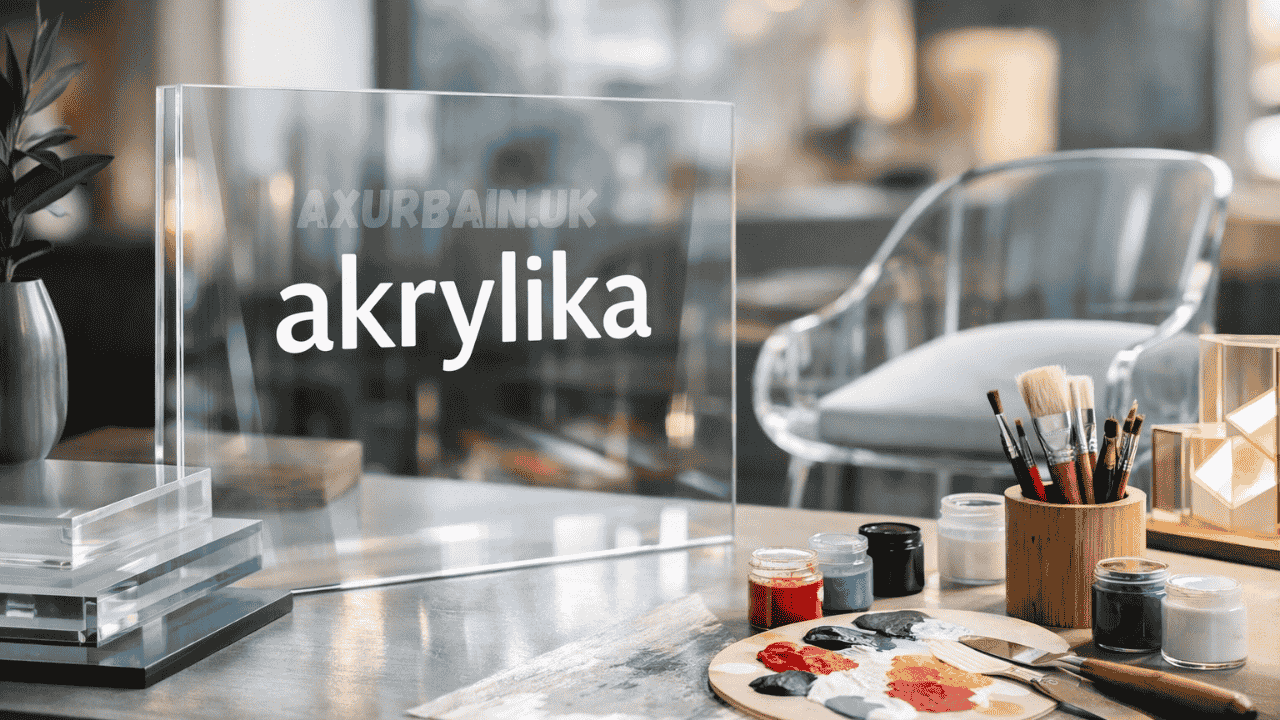
Akrylika is gaining attention across multiple industries, from art studios to construction sites. It represents a category of acrylic-based materials known for their flexibility, durability, and adaptability. Many people encounter akrylika without realizing it, whether through paints, decorative panels, or synthetic fabrics. Its growing popularity comes from its ability to replace heavier, more fragile materials while maintaining strength and visual appeal. Understanding akrylika helps explain why it is becoming a preferred choice in both creative and industrial fields.
What akrylika actually means and how it is defined
Akrylika refers to materials derived from acrylic polymers, which are created through chemical processes involving acrylic acid or related compounds. These materials are typically lightweight, transparent, and resistant to environmental damage. In simple terms, akrylika can be thought of as a modern plastic that behaves like glass but offers greater durability and flexibility. It is widely used in both liquid and solid forms, depending on the application.
In art and design, akrylika is often associated with water-based mediums that dry quickly and form a stable, water-resistant layer. In industrial settings, it appears in the form of sheets, coatings, and adhesives. This dual identity makes akrylika unique because it bridges creative and functional uses. Its versatility is one of the main reasons it continues to expand into new markets.
Key physical and chemical properties of akrylika
Akrylika stands out because of its combination of strength, clarity, and ease of use. It offers properties that make it suitable for both decorative and practical purposes. Unlike traditional materials, akrylika maintains its structure under varying conditions, which adds to its reliability. These features make it a dependable option for long-term use.
Some of the most important characteristics include:
- High transparency similar to glass
- Lightweight structure that reduces handling effort
- Resistance to impact and cracking
- Strong weather and UV resistance
- Easy shaping, cutting, and polishing
These properties allow akrylika to perform well in environments where other materials might fail. It is especially useful in applications where both appearance and durability matter.
How akrylika is used in art and creative work
Artists have embraced akrylika because it offers flexibility that traditional materials cannot match. It dries faster than oil-based paints, allowing artists to work more efficiently and layer colors without long waiting times. The surface remains flexible after drying, reducing the risk of cracking over time. This makes akrylika suitable for both beginners and experienced artists.
Akrylika can be applied to a wide range of surfaces, including canvas, wood, plastic, and even metal. This opens up possibilities for mixed media projects and experimental techniques. Artists also use it for creating textures, glazes, and bold color effects. Its adaptability has made akrylika a staple in modern art practices.
Role of akrylika in interior design and architecture
In interior design, akrylika is valued for its clean appearance and durability. Designers use it to create modern spaces that feel open and bright. It is often used in wall panels, furniture accents, and decorative elements. Because akrylika is lighter than glass, it is easier to install and safer in many situations.
Architects also rely on akrylika for both aesthetic and functional purposes. It can be shaped into different forms, making it ideal for creative structures and installations. Its resistance to weather conditions makes it suitable for both indoor and outdoor use. As a result, akrylika is becoming a common feature in contemporary architectural designs.
Industrial and commercial applications of akrylika
Akrylika plays a significant role in manufacturing and industrial production. It is commonly used as a substitute for glass in products where safety and durability are important. From protective screens to signage, akrylika provides a practical solution. Its lightweight nature also reduces transportation and installation costs.
Common industrial uses include:
- Transparent panels and protective barriers
- Signboards and display units
- Coatings and sealants
- Adhesives for construction and assembly
- Components in machinery and equipment
These applications highlight how akrylika supports both efficiency and safety in industrial environments. Its reliability makes it a preferred material in many sectors.
Akrylika in textiles and fashion industry
The textile industry uses akrylika in the form of synthetic fibers. These fibers are designed to mimic the softness and warmth of natural materials like wool. At the same time, they offer improved durability and resistance to wear. This makes akrylika a popular choice for clothing and home textiles.
Garments made from akrylika fibers are lightweight and easy to maintain. They resist shrinking and fading, which helps them retain their appearance over time. Carpets, blankets, and upholstery also benefit from these properties. As a result, akrylika has become an essential material in modern fabric production.
Advantages that make akrylika a preferred material
The growing demand for akrylika is largely driven by its practical benefits. It offers a balance between performance and cost, making it accessible for different uses. Many industries are shifting toward akrylika because it solves common material challenges.
Some key advantages include:
- Long-lasting durability with minimal maintenance
- Cost-effectiveness compared to traditional materials
- Resistance to environmental damage
- Flexibility for various applications
- Consistent appearance over time
These advantages explain why akrylika continues to replace older materials in many areas. Its ability to combine strength and usability gives it a clear edge.
Limitations and challenges associated with akrylika
Despite its strengths, akrylika is not without its drawbacks. One of the main concerns is its susceptibility to scratches, especially when compared to glass. While it is impact-resistant, its surface can still be damaged by rough handling. This means it requires careful maintenance in certain applications.
Another issue is environmental impact. Like many synthetic materials, akrylika is not always biodegradable. This raises concerns about sustainability and long-term waste management. However, efforts are being made to improve recycling methods and reduce environmental harm. Understanding these limitations helps users make informed decisions about when to use akrylika.
Why akrylika is gaining popularity in modern markets
The rise of akrylika is closely linked to changing consumer needs and technological advancements. People are looking for materials that are both practical and visually appealing. Akrylika meets these expectations by offering a combination of style and performance. Its ability to adapt to different uses makes it highly versatile.
Businesses also prefer akrylika because it supports efficient production and reduces costs. Its lightweight nature simplifies transportation and installation. As industries continue to evolve, the demand for adaptable materials like akrylika is expected to grow. This trend suggests that akrylika will remain relevant in the future.
Future trends and innovations related to akrylika
The future of akrylika looks promising as new technologies continue to improve its properties. Researchers are working on making it more environmentally friendly through better recycling processes. There is also a focus on enhancing its resistance to scratches and extending its lifespan. These improvements could make akrylika even more competitive.
Innovations in design and manufacturing are also expanding its applications. From smart materials to advanced coatings, akrylika is being integrated into new solutions. This ongoing development shows that akrylika is not just a temporary trend but a material with long-term potential.
Conclusion
Akrylika has established itself as a versatile and reliable material across multiple industries. Its combination of strength, flexibility, and visual appeal makes it suitable for a wide range of applications. From art and design to manufacturing and textiles, akrylika continues to prove its value. While it does have some limitations, its advantages often outweigh the drawbacks. As technology improves and demand grows, akrylika is likely to play an even bigger role in shaping modern materials and design.
FAQs
- What is akrylika used for
Akrylika is used in art, construction, interior design, textiles, and industrial manufacturing due to its durability and flexibility. - Is akrylika the same as acrylic
Akrylika generally refers to acrylic-based materials, but the term may be used more broadly depending on context. - Is akrylika better than glass
Akrylika is lighter and more impact-resistant than glass, but it can scratch more easily. - Can akrylika be used outdoors
Yes, akrylika is resistant to weather and UV exposure, making it suitable for outdoor applications. - Is akrylika environmentally friendly
Akrylika is not fully biodegradable, but recycling efforts are improving its environmental impact.











Leave a Reply