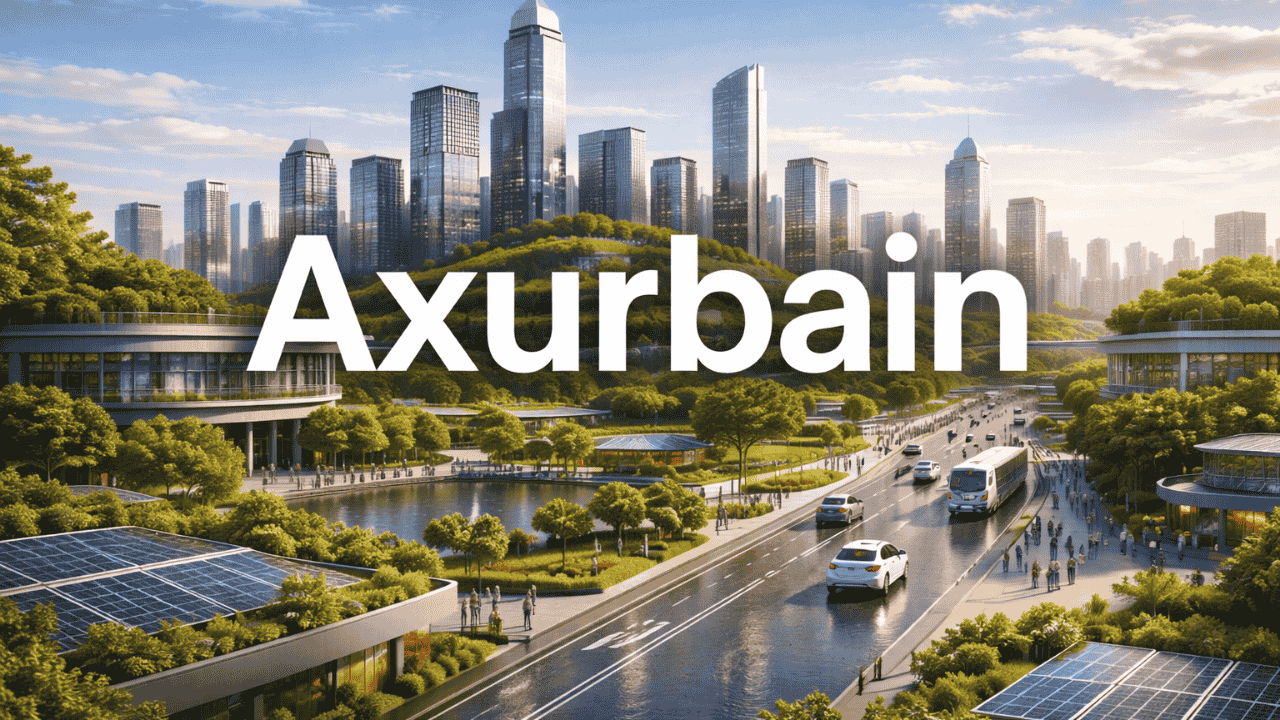
Cities across the United States are under pressure. Housing costs keep rising. Traffic congestion eats into workdays. Public infrastructure feels outdated in fast-growing regions. At the same time, technology keeps moving forward, climate concerns are no longer abstract, and residents expect better design, better services, and better quality of life. In this context, the idea of axurbain has started appearing across digital platforms as a way to describe a new direction for urban development. It is not an official planning doctrine or government program. Instead, axurbain represents a framework that blends smart technology, sustainability, community-centered design, and modern architecture into one cohesive urban vision.
The growing interest around axurbain shows that people are searching for new models of city life. Whether discussed as a digital concept, a branding identity, or a forward-looking urban philosophy, axurbain consistently points toward the same goal: building cities that are intelligent, sustainable, connected, and human-focused.
Understanding What axurbain Really Means
The term axurbain does not come from traditional academic urban planning textbooks. It has emerged online as a concept used to describe the future of urban living. Across multiple discussions and articles, axurbain is presented as a hybrid idea combining urban systems, digital innovation, and environmental responsibility.
At its core, axurbain represents:
- Smart infrastructure powered by data
- Sustainable architecture and green construction
- Community-oriented public spaces
- Technology integrated into everyday urban life
- A shift from fragmented systems to connected ecosystems
Instead of treating transportation, housing, energy, and public space as separate elements, axurbain imagines cities as interconnected networks. Traffic systems communicate with energy grids. Buildings adapt to climate data. Public spaces encourage social interaction while reducing environmental impact.
For a US audience, this resonates strongly. Cities like New York, Los Angeles, Austin, and Seattle are already experimenting with smart sensors, renewable energy, and digital public services. axurbain builds on these efforts and frames them as part of a larger transformation.
Why Modern Cities Need a New Blueprint
Urban growth in America has exposed weaknesses in traditional planning models. Suburban sprawl has increased commute times. Aging infrastructure struggles to handle modern population density. Climate change intensifies heat waves, flooding, and energy demands.
axurbain responds directly to these challenges by proposing a more integrated approach to city development.
Several major issues drive the need for this shift:
Overcrowding and Housing Pressure
Cities continue to attract people for jobs and education. However, limited housing supply pushes prices up. axurbain encourages compact, efficient living solutions such as mixed-use developments and smart residential buildings that maximize space without sacrificing comfort.
Traffic and Transportation Inefficiency
Congestion costs American cities billions of dollars annually in lost productivity. Under an axurbain framework, transportation becomes smarter through:
- Electric vehicle infrastructure
- Autonomous shuttle systems
- Real-time traffic management
- Integrated public transit networks
Rather than reacting to congestion, systems predict and manage traffic patterns using data.
Environmental Strain
Urban areas produce a significant portion of carbon emissions. axurbain promotes renewable energy integration, green rooftops, vertical gardens, and eco-friendly materials to reduce environmental impact.
Disconnected Communities
Modern urban life can feel isolating despite high population density. axurbain emphasizes shared public spaces, community hubs, co-working areas, and accessible parks to rebuild social interaction.
The key difference lies in integration. Instead of patching one problem at a time, axurbain treats the city as a living system.
Technology as the Backbone of axurbain
Technology plays a central role in the axurbain model. However, it is not technology for the sake of novelty. The purpose is practical improvement of urban life.
Smart cities already use digital tools, but axurbain expands this into a fully connected ecosystem.
Artificial Intelligence in Urban Planning
AI can analyze traffic flows, population growth trends, and energy usage patterns. With this data, planners make better decisions about zoning, infrastructure expansion, and public services.
For example:
- AI predicts peak traffic hours and adjusts signals
- Data models optimize emergency response routes
- Energy grids balance loads to prevent outages
axurbain uses this intelligence layer to reduce waste and improve efficiency.
Smart Homes and Buildings
In an axurbain environment, buildings are not static structures. They adapt.
Features may include:
- Automated lighting and temperature control
- Energy-efficient insulation
- Solar panel integration
- Smart water management systems
These improvements lower energy bills and reduce environmental impact, which matters to US homeowners facing rising utility costs.
Data-Driven Governance
Municipal governments can use digital dashboards to monitor city services in real time. From waste management to public safety, axurbain encourages transparency and responsiveness.
This approach builds trust while improving operational efficiency.
Sustainability at the Core of axurbain
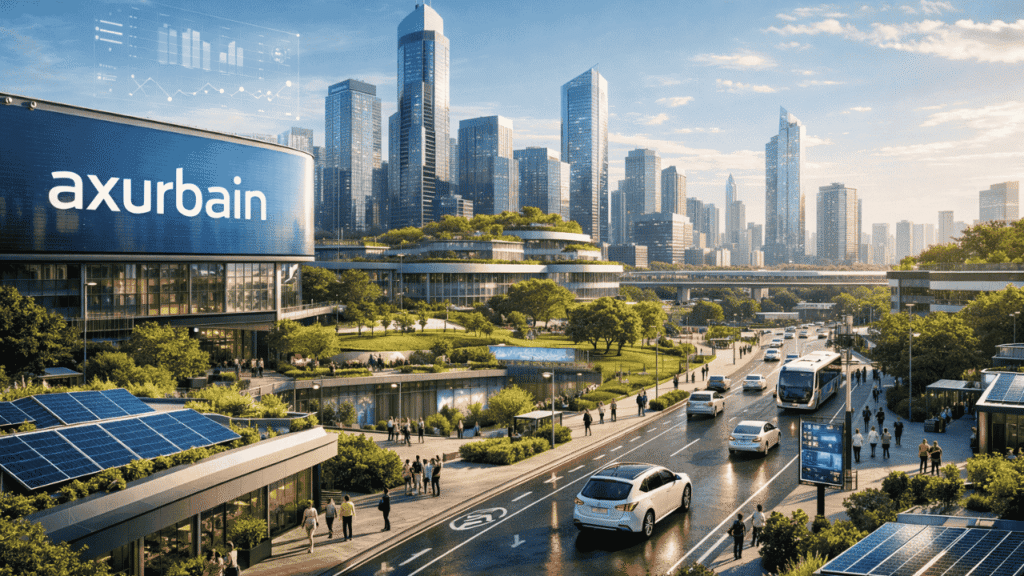
Environmental responsibility is not a side feature. It is foundational to axurbain.
American cities are already dealing with climate-related challenges such as wildfires, hurricanes, and heat islands. axurbain proposes design strategies that address these risks proactively.
Green Architecture and Construction
Buildings under an axurbain model prioritize:
- Recycled materials
- Low-carbon concrete alternatives
- Passive cooling systems
- Energy-efficient windows
These choices reduce long-term operational costs while supporting sustainability goals.
Rooftop Gardens and Vertical Greenery
Urban greenery improves air quality and reduces heat. axurbain supports rooftop gardens, green walls, and public park expansions. Beyond environmental benefits, these spaces improve mental health and community engagement.
Renewable Energy Integration
Solar, wind, and geothermal systems become part of urban infrastructure. Rather than relying entirely on centralized fossil fuel plants, axurbain encourages distributed energy production.
This increases resilience during natural disasters and reduces carbon emissions.
Human-Centered Design in axurbain Cities
Technology and sustainability alone do not create livable cities. axurbain emphasizes human experience.
Urban planning often prioritizes vehicles and commercial interests. axurbain shifts focus toward residents.
Walkable Neighborhoods
Shorter distances between housing, retail, and public spaces reduce car dependence. This approach aligns with trends in cities like Portland and Boston where walkability increases property value and quality of life.
Inclusive Public Spaces
axurbain promotes parks, plazas, libraries, and shared workspaces that welcome diverse communities. Accessibility standards ensure people with disabilities are not excluded.
Community Collaboration
Residents participate in planning through digital engagement platforms. Surveys, feedback apps, and town hall integration ensure that city development reflects local needs.
This participatory approach strengthens civic trust.
axurbain as a Digital and Branding Concept
Beyond urban planning, axurbain has also gained attention as a modern branding identity. The term carries a futuristic tone, making it attractive for startups, media platforms, and design studios.
Its appeal lies in:
- Association with innovation
- Urban sophistication
- Sustainability awareness
- Forward-thinking lifestyle
In digital spaces, axurbain often appears in blogs and platforms discussing architecture, design trends, and smart city innovation. This dual role as both concept and brand expands its influence.
For entrepreneurs in the US, this creates opportunity. A term like axurbain can anchor content strategies, design firms, or urban-focused technology ventures.
The Lifestyle Dimension of axurbain
Urban life is not only about infrastructure. It is about daily experience. axurbain addresses how people live, work, and interact in cities.
Compact and Efficient Living
Rising housing prices make space efficiency critical. axurbain encourages flexible layouts, multifunctional furniture, and smart storage solutions.
Co-Working and Flexible Workspaces
Remote and hybrid work models continue to grow. axurbain cities integrate shared work environments within residential neighborhoods, reducing commute times and fostering collaboration.
Cleaner Air and Healthier Environments
By reducing traffic emissions and increasing greenery, axurbain environments support public health. Lower pollution levels reduce respiratory issues, which remain a concern in major US metro areas.
Challenges Facing the axurbain Vision
While axurbain presents a compelling framework, implementation is not simple.
Affordability Concerns
Smart infrastructure and sustainable construction require investment. Without policy safeguards, these upgrades may only benefit affluent neighborhoods.
For axurbain to succeed, accessibility must remain central.
Digital Privacy Risks
Data-driven cities collect significant information. Strong cybersecurity and privacy regulations are essential to prevent misuse.
Political and Regulatory Barriers
Urban planning decisions involve multiple agencies and layers of government. Coordinated action is necessary to integrate axurbain principles effectively.
These challenges do not invalidate the concept. They highlight areas requiring careful planning.
axurbain Compared to Traditional Smart Cities
The smart city concept already exists. So what distinguishes axurbain?
Traditional smart city models often focus heavily on technology. axurbain balances three pillars equally:
- Technology
- Sustainability
- Human-centered design
It treats these elements as inseparable rather than independent upgrades.
For US policymakers and developers, this integrated perspective may offer a more comprehensive path forward.
Real-World Applications in the United States
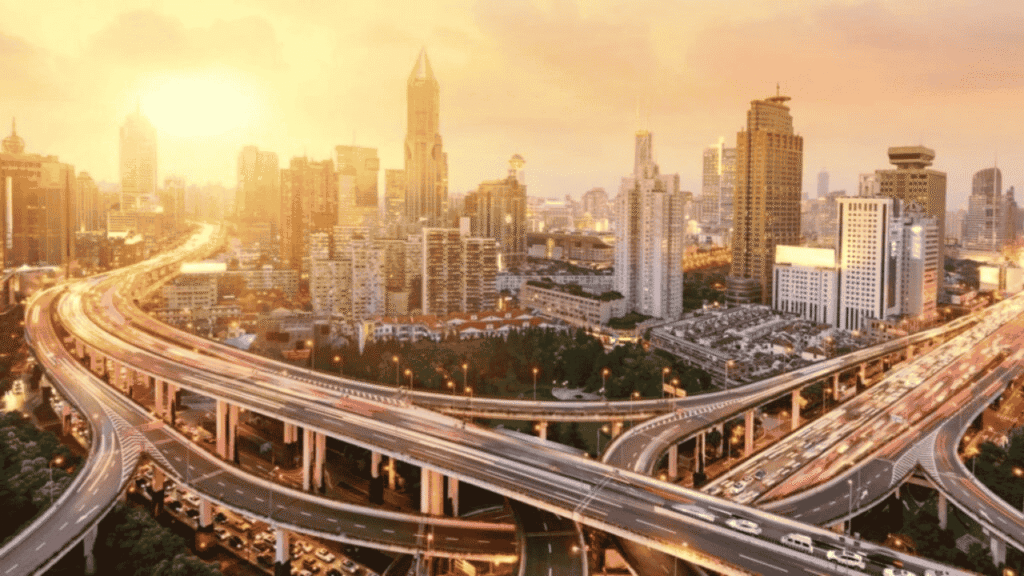
While axurbain is not officially adopted by city governments, its principles align with ongoing initiatives.
Cities investing in:
- Electric bus fleets
- Solar-powered public buildings
- Mixed-use zoning reforms
- AI-based traffic systems
are already moving toward an axurbain-like structure.
The term itself may evolve, but the ideas behind axurbain reflect real trends shaping American urban policy.
Economic Opportunities Linked to axurbain
The transition toward smarter and greener cities creates business opportunities.
Industries likely to grow include:
- Renewable energy installation
- Smart building technology
- Urban agriculture
- Sustainable construction materials
- AI-driven infrastructure analytics
Startups positioning themselves within the axurbain narrative can attract investors interested in urban innovation.
The Future Outlook of axurbain
Urban populations are expected to continue rising. Climate pressures will intensify. Technology will advance further.
axurbain represents a response to these intersecting forces. Whether the name remains prominent or evolves, the underlying framework will likely shape city development strategies.
The concept signals a move away from reactive planning toward proactive design.
It encourages cities to think long-term.
It emphasizes integration over isolation.
It places people at the center.
Conclusion
axurbain captures a modern vision of urban development that blends smart technology, environmental responsibility, and human-centered design into a unified approach. It is not a formal academic theory, but it reflects genuine trends reshaping cities across the United States. From AI-powered traffic systems to green rooftops and inclusive public spaces, axurbain describes the direction urban life is heading.
The future of American cities depends on balancing innovation with accessibility, efficiency with sustainability, and growth with community well-being. axurbain provides a framework that connects these priorities into one cohesive model. As urban challenges intensify, integrated approaches like axurbain will become increasingly relevant in shaping the next generation of city living.
Frequently Asked Questions
What does axurbain mean?
axurbain refers to a modern urban concept that combines smart technology, sustainable design, and human-centered planning to improve city living.
Is axurbain an official urban planning theory?
No, axurbain is not a formal academic theory. It is an emerging concept used online to describe forward-thinking urban development strategies.
How does axurbain differ from smart cities?
While smart cities focus heavily on technology, axurbain balances technology with sustainability and community-centered design.
Can axurbain improve quality of life in US cities?
Yes, the principles behind axurbain aim to reduce congestion, lower pollution, improve housing efficiency, and strengthen community interaction.
Why is axurbain gaining attention online?
axurbain combines urban innovation, digital transformation, and sustainability into a single concept, making it appealing for media platforms, startups, and urban development discussions.