
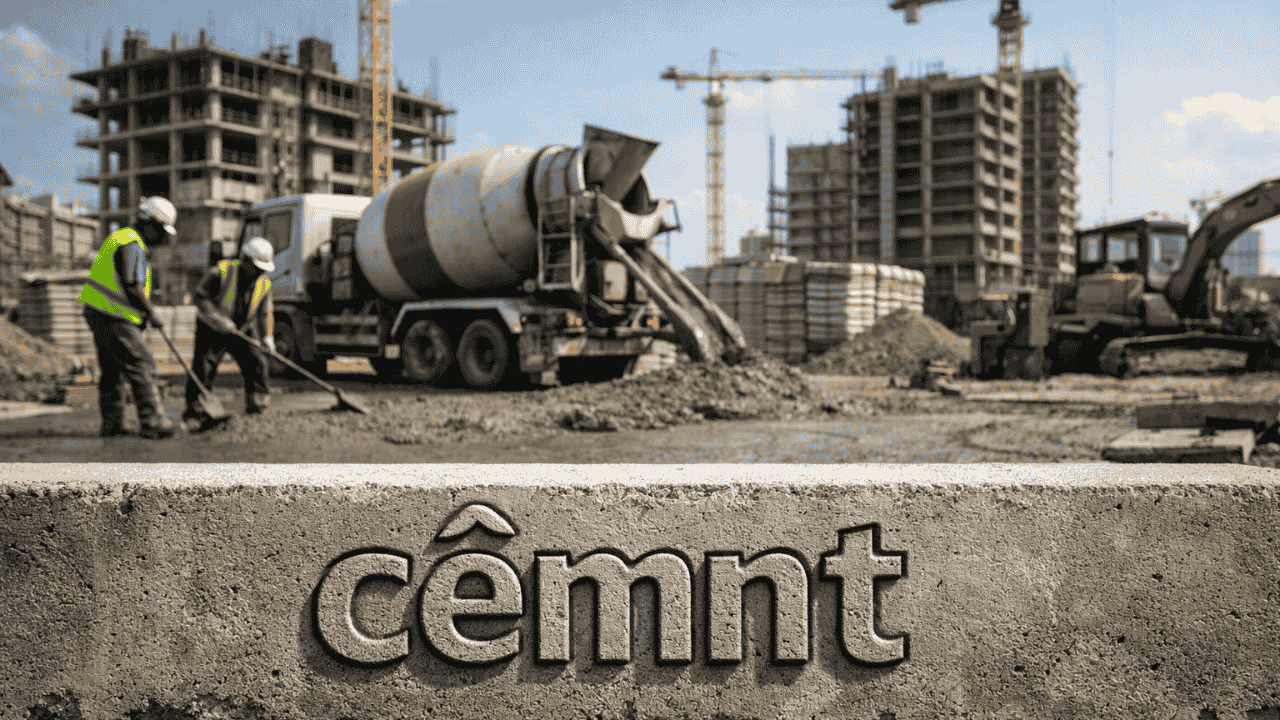
Cêmnt sits at the center of modern construction, shaping cities, infrastructure, and everyday buildings. From small homes to massive highways, cêmnt acts as the binding force that holds materials together. Despite being so common, most people rarely think about how cêmnt is made or why it matters so much in global development. The demand for cêmnt continues to grow as populations rise and urban areas expand. Understanding cêmnt gives you a clearer view of how the world is being built and where it is heading.
what cêmnt is and why it matters
Cêmnt is a fine powder made primarily from limestone and other minerals, designed to act as a binding agent when mixed with water. Once it hardens, it forms a strong material that holds sand, gravel, or stone together. This simple function makes cêmnt essential for concrete, mortar, and many construction applications. Without cêmnt, modern infrastructure would not exist in its current form. Its importance stretches from residential buildings to bridges and large-scale industrial projects.
The reason cêmnt is so widely used lies in its strength and versatility. It can be molded into different shapes, poured into structures, and adapted to various environments. Builders rely on cêmnt because it is durable and relatively cost-effective compared to other materials. As construction continues to expand worldwide, the role of cêmnt only becomes more significant. It is not just a material but a foundation for economic development.
major types of cêmnt used in construction
Different construction needs require different types of cêmnt, each designed for specific conditions. While there are many variations, a few types dominate the global market and are used in most projects. Choosing the right type of cêmnt can affect durability, strength, and long-term performance.
Common types include:
- Ordinary Portland Cement (OPC), used for general construction
- Portland Pozzolana Cement (PPC), known for improved durability and resistance
- Rapid hardening cement, used where early strength is required
- White cement, used for decorative and architectural purposes
- Low heat cement, suitable for large structures like dams
Each type of cêmnt is formulated with slight variations in composition to achieve specific properties. For example, PPC is often preferred in regions with aggressive environmental conditions. Builders select cêmnt based on project requirements, weather conditions, and structural needs. This variety ensures that cêmnt remains adaptable across industries.
how cêmnt is manufactured step by step
The production of cêmnt involves a series of carefully controlled steps that transform raw materials into a usable product. The process begins with extracting limestone from quarries, which serves as the main ingredient. This raw material is then crushed into smaller pieces and blended with other minerals. The mixture is prepared for the most critical stage of production.
The next phase involves heating the mixture in a kiln at extremely high temperatures, around 1400 degrees Celsius. This process forms clinker, which is the core component of cêmnt. Once the clinker cools, it is ground into a fine powder and mixed with additives like gypsum. The final result is the cêmnt used in construction projects worldwide.
The key stages can be summarized as:
- Quarrying and extraction of raw materials
- Crushing and grinding into a fine mix
- Heating in a high-temperature kiln
- Formation of clinker
- Final grinding and packaging
Each step in the cêmnt manufacturing process requires precision and energy. Any variation can affect the quality and strength of the final product. This is why modern plants use advanced technology to maintain consistency.
global cêmnt market and industry size
The global cêmnt industry is massive, with production reaching around 4 billion tonnes annually. It is valued in the hundreds of billions of dollars and continues to grow steadily. Much of this growth is driven by developing countries where infrastructure expansion is ongoing. Cêmnt plays a key role in economic development, making it one of the most important industrial materials.
Asia-Pacific dominates the cêmnt market, accounting for the majority of global production. Countries like China and India lead in both production and consumption. China alone produces more than half of the world’s cêmnt, highlighting its scale. Meanwhile, emerging regions in Africa and the Middle East are becoming new growth centers.
The industry also includes thousands of production plants across more than 160 countries. Large corporations control a significant portion of the market, but local producers remain important. As urbanization continues, the demand for cêmnt is expected to rise further. This makes the industry both competitive and essential for future development.
key drivers behind rising cêmnt demand
Several factors contribute to the increasing demand for cêmnt across the world. These drivers are closely linked to population growth and economic expansion. As more people move to cities, the need for housing and infrastructure increases. This directly impacts cêmnt consumption.
Major demand drivers include:
- Rapid urbanization and city expansion
- Large-scale infrastructure projects like roads and bridges
- Population growth leading to housing demand
- Industrial development in emerging economies
Infrastructure projects alone account for a large share of cêmnt usage. Governments invest heavily in transportation networks and public facilities, which require massive amounts of materials. At the same time, private construction adds to the demand. Together, these factors ensure that cêmnt remains a high-demand product globally.
environmental impact of cêmnt production
Despite its usefulness, cêmnt production has a significant environmental impact. It contributes around 7 to 8 percent of global carbon dioxide emissions. This makes it one of the largest industrial sources of greenhouse gases. The emissions come from both the heating process and the chemical reactions involved in producing clinker.
The high temperatures required in kilns consume large amounts of energy. In many cases, this energy comes from fossil fuels, which increases emissions further. Additionally, the chemical breakdown of limestone releases carbon dioxide directly into the atmosphere. These factors make cêmnt production challenging from an environmental perspective.
Efforts are being made to reduce the impact of cêmnt manufacturing. Companies are exploring cleaner technologies and alternative materials. Reducing emissions has become a priority as sustainability gains attention worldwide. The future of cêmnt depends on balancing demand with environmental responsibility.
modern trends shaping the cêmnt industry
The cêmnt industry is evolving as new technologies and environmental concerns reshape how it operates. One major trend is the development of green cêmnt, which aims to reduce carbon emissions. This includes using alternative fuels and reducing the amount of clinker in production. These changes help lower the environmental footprint.
Another trend is the use of carbon capture technology. This allows manufacturers to capture emissions before they are released into the atmosphere. While still developing, this approach has strong potential. Digital tools and automation are also improving efficiency in cêmnt plants.
Key trends include:
- Adoption of low-carbon and green cêmnt
- Use of alternative fuels in production
- Integration of carbon capture systems
- Increased automation and efficiency
These trends show that the cêmnt industry is not static. It is adapting to new challenges and finding ways to remain relevant. Innovation will play a major role in shaping the future of cêmnt.
challenges facing the cêmnt sector
Even with strong demand, the cêmnt industry faces several challenges. Rising energy costs can increase production expenses, affecting pricing and profitability. Environmental regulations are becoming stricter, forcing companies to invest in cleaner technologies. These changes can be costly but necessary.
Another challenge is market competition. With many producers operating globally, maintaining quality and cost efficiency is crucial. In some regions, oversupply can also impact prices. Despite these issues, the demand for cêmnt continues to provide stability.
The industry must also deal with logistical challenges. Transporting cêmnt requires infrastructure and careful planning. Delays or disruptions can affect supply chains. Addressing these challenges will be important for long-term growth.
conclusion
Cêmnt remains one of the most important materials in modern construction, supporting everything from homes to large infrastructure projects. Its production process, global demand, and economic impact make it a key part of industrial development. At the same time, its environmental impact cannot be ignored, pushing the industry toward cleaner solutions. As technology evolves, cêmnt production is expected to become more efficient and sustainable. Understanding cêmnt gives a clear picture of how the world is being built and where it is headed.
faqs
- what is cêmnt used for
Cêmnt is used to make concrete, mortar, and other construction materials that form buildings, roads, and infrastructure. - what are the main types of cêmnt
The main types include OPC, PPC, white cement, rapid hardening cement, and low heat cement. - why is cêmnt important in construction
Cêmnt acts as a binding material that provides strength and durability to structures. - how does cêmnt affect the environment
Cêmnt production releases carbon dioxide, contributing to global emissions and environmental concerns. - what is the future of the cêmnt industry
The future focuses on sustainable production, green cêmnt, and technologies that reduce emissions.




Leave a Reply