
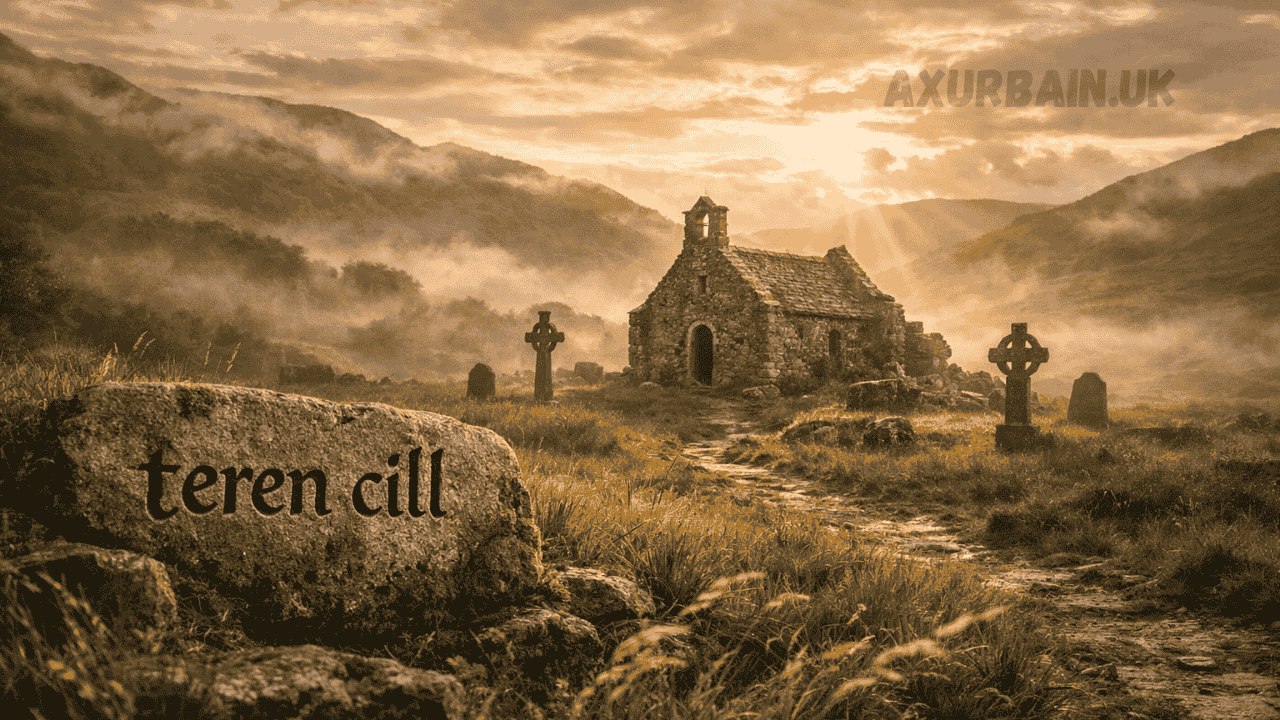
People often come across unusual words online and wonder where they came from or what they mean. One phrase that has recently caught the attention of bloggers and curious readers is teren cill. The term appears in discussions about language, symbolism, and cultural history, yet it does not have a single universally accepted definition. Because of that mystery, many readers search for explanations that connect the phrase to historical roots and modern interpretations. Understanding teren cill requires looking at language history, cultural influences, and the way words evolve through time.
Understanding the Meaning Behind Teren Cill
The phrase teren cill is often interpreted by breaking it into two separate components. The word “teren” resembles the term terrain, which refers to land or ground. The second part, “cill,” comes from Gaelic and is commonly linked with religious sites such as churches, chapels, or monastic settlements. When the two parts are viewed together, the phrase teren cill can be interpreted as a type of sacred or meaningful land.
Many writers describe teren cill as a symbolic phrase rather than a strictly defined linguistic term. It represents a place where land and spirituality meet, or where cultural identity is connected to geography. Because language evolves through interpretation, the phrase has gained different meanings depending on context. Some writers use it when discussing heritage, while others use it as a metaphor for a protected or meaningful space.
Linguistic Roots and Possible Origins
Language historians often explore how words are formed by combining elements from different traditions. The phrase teren cill appears to follow that pattern, drawing from terms connected to land and spiritual spaces. Gaelic languages frequently use the word “cill” in place names associated with churches or monastic communities. In many cases, towns or villages that include “cill” in their names once had religious centers or early Christian settlements.
The structure of teren cill suggests a connection between physical land and spiritual significance. Even though the phrase itself is not widely recorded in classical texts, its components have long histories in European language traditions. Words that describe land, settlement, and religious life often blend together over centuries, forming expressions that carry symbolic meaning.
The Role of Sacred Land in Cultural Traditions
Across many cultures, land has always held spiritual and historical importance. Communities often designate certain areas as sacred due to religious activity, historical events, or long-standing traditions. The idea connected with teren cill fits naturally into this cultural pattern. It represents a place where people attach deeper meaning to the environment around them.
In older societies, sacred spaces were not limited to buildings or temples. Natural landscapes such as hills, forests, and fields were also considered meaningful locations. This idea explains why a phrase like teren cill can describe more than just physical land. It can also represent a spiritual or cultural connection between people and the places they inhabit.
How the Concept of Teren Cill Connects to Gaelic Heritage
Gaelic culture has a long tradition of naming places based on history, religion, and geography. The word “cill” appears in many place names throughout Ireland and Scotland, often marking locations where early churches once stood. These places became centers for learning, farming, and community life. Over time, the names remained even as settlements expanded or changed.
When people discuss teren cill in relation to Gaelic heritage, they often focus on the historical role of these sacred sites. Monastic communities were known for preserving knowledge, copying manuscripts, and supporting nearby populations. Because of this cultural background, the phrase teren cill can evoke the idea of a land connected to spiritual learning and tradition.
Common characteristics of historical sacred settlements included:
- Small chapels or monasteries serving local communities
- Agricultural land maintained by religious groups
- Educational centers where manuscripts were copied and preserved
- Gathering places for spiritual ceremonies and local events
These features help explain why language connected to sacred land carries lasting cultural weight.
Modern Interpretations of Teren Cill
In recent years, the phrase teren cill has begun appearing in online discussions and blog content. Writers often use it as a symbolic term rather than a strict linguistic label. In modern contexts, it may represent a personal space, a creative environment, or a metaphor for meaningful territory in life. The flexibility of the phrase allows different interpretations depending on the writer’s perspective.
Some people use teren cill to describe the idea of protecting one’s creative or mental space. Others view it as a way to express connection to heritage or identity. Because the phrase blends land and spirituality, it easily adapts to storytelling and reflective writing. This adaptability explains why the keyword teren cill attracts attention from readers searching for deeper meaning.
Why Teren Cill Is Gaining Attention Online
Search interest in teren cill has grown as more readers encounter the phrase in blog posts and online discussions. Curiosity often drives people to research unfamiliar words, especially when those words appear mysterious or symbolic. The phrase also benefits from low competition in search results, which encourages writers to explore it in informational content.
Several factors contribute to the growing attention around teren cill:
- curiosity about unusual words and phrases
- interest in cultural and linguistic origins
- the rise of symbolic language in digital storytelling
- search trends related to unexplained or emerging terms
Because of these factors, the keyword teren cill has become a topic that content creators explore in articles that combine language, culture, and interpretation.
Symbolic Meaning in Modern Writing
Writers often enjoy using words that carry multiple layers of meaning. The phrase teren cill fits this style because it can represent both physical land and symbolic territory. In creative contexts, it may refer to a personal foundation, a safe place for ideas, or a connection to heritage. This flexibility allows the phrase to appear in essays, blog posts, and storytelling.
Symbolic language tends to gain popularity when it invites interpretation rather than offering a fixed definition. Readers feel drawn to phrases that encourage them to think about history, identity, or place. In this sense, teren cill functions as a concept that writers shape to match their message. The phrase becomes meaningful through context rather than strict dictionary definitions.
The Relationship Between Language and Place
Language often reflects the landscapes where people live. Words describing hills, fields, rivers, and settlements frequently appear in place names across the world. These names preserve historical information about how communities once used or valued certain locations. The phrase teren cill follows this tradition by connecting land with cultural meaning.
In many regions, the names of places reveal layers of history. A village name might include references to ancient tribes, religious structures, or natural features. Over time, those names become part of the cultural identity of the region. This connection between language and geography helps explain why phrases like teren cill continue to spark curiosity.
Key ways language connects with place include:
- naming landscapes based on physical features
- recording historical events through location names
- preserving religious or cultural landmarks
- reflecting how communities interact with their environment
These patterns show that words describing land often carry deeper cultural meaning.
The Appeal of Unexplained Words in Digital Culture
The internet has created a space where unusual phrases can spread quickly. When readers encounter a word that seems unfamiliar or mysterious, they often search for explanations. This behavior contributes to the rise of keywords like teren cill. Writers then respond by exploring the origins and possible interpretations of the phrase.
Digital culture also encourages storytelling built around curiosity. A phrase without a strict definition invites discussion, interpretation, and speculation. Because of this dynamic, the keyword teren cill has become a subject that combines linguistic exploration with cultural reflection. Readers who search for it often want both historical context and modern meaning.
Conclusion
The phrase teren cill stands at the intersection of language, culture, and interpretation. Its roots appear to connect ideas of land and sacred space, drawing from linguistic traditions where geography and spirituality often overlap. Although the term does not have a strict dictionary definition, its symbolic meaning has captured the attention of writers and readers alike. The growing interest in teren cill shows how curiosity about language can lead to deeper discussions about heritage and identity.
As people continue to explore the meaning behind unfamiliar phrases, terms like teren cill gain new life through interpretation and storytelling. The phrase serves as a reminder that language is always evolving, shaped by history, culture, and human imagination. Whether viewed as a linguistic curiosity or a symbolic concept, teren cill continues to inspire exploration into the relationship between words and the places they represent.
FAQs
What does teren cill mean?
Teren cill is often interpreted as a phrase connected to land and sacred space. It combines elements related to terrain and Gaelic words linked with churches or monastic settlements.
Is teren cill a real historical term?
The phrase itself is not widely documented in historical texts, but its components come from words with long linguistic histories related to land and religious sites.
Why are people searching for teren cill online?
Many readers encounter the phrase in blogs or discussions and search for its meaning because it appears unusual or symbolic.
Is teren cill connected to Gaelic culture?
Yes, the element “cill” has strong roots in Gaelic place names that historically referred to churches or religious communities.
Can teren cill have symbolic meaning?
Yes, writers often use teren cill as a symbolic concept representing meaningful land, personal space, or a connection between culture and geography.













Leave a Reply