
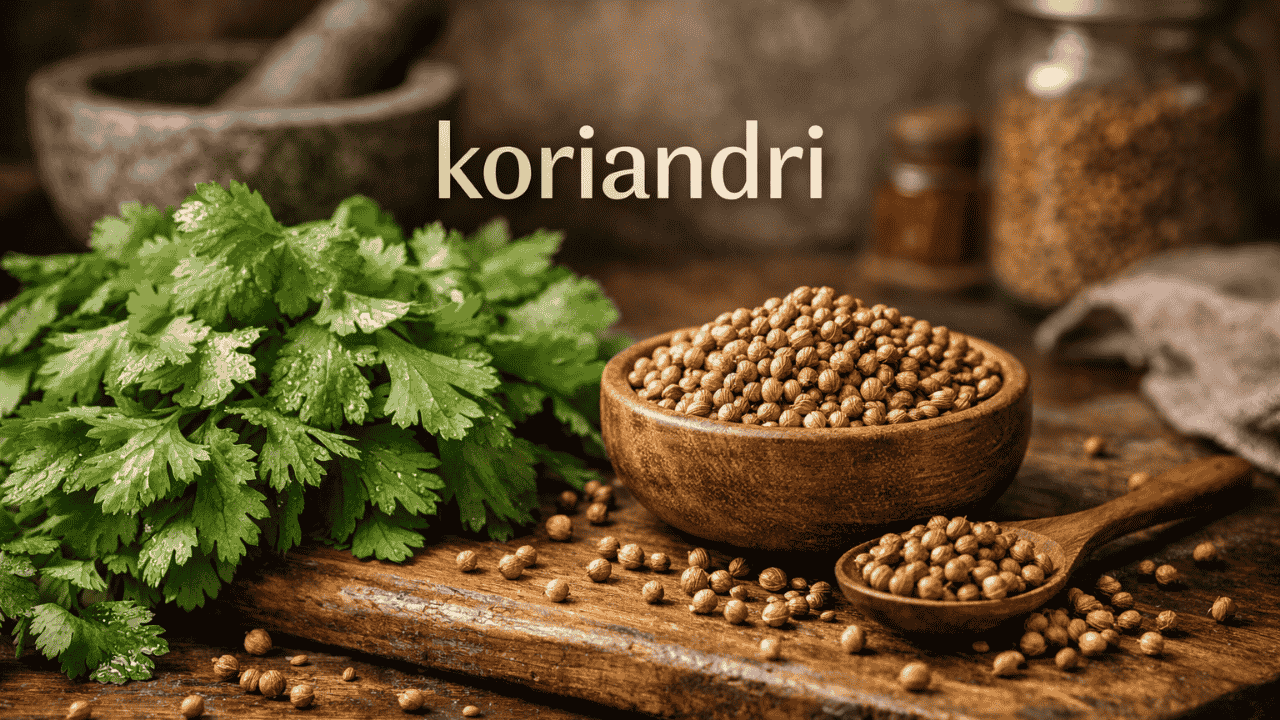
Koriandri is one of those ingredients that quietly sits in kitchens across the world but carries a surprisingly deep story. From everyday cooking in South Asia to traditional remedies and spice blends, koriandri has built a strong place in both food and culture. Many people use it without fully understanding how versatile it really is. The same plant gives both fresh leaves and dried seeds, each with a completely different flavor and purpose. That alone makes koriandri stand out among common herbs and spices.
Understanding what koriandri really is
Koriandri comes from the plant known as Coriandrum sativum, which belongs to the parsley family. This plant produces both green leaves and small round seeds, and both parts are widely used in cooking. The leaves are often referred to as cilantro in some regions, while the seeds are known as coriander. In everyday language, koriandri can refer to either part depending on local usage. This dual identity often creates confusion, especially for beginners learning about herbs.
The plant itself grows quickly and thrives in mild climates, making it easy to cultivate in many parts of the world. Farmers grow koriandri in countries like India, Pakistan, Morocco, and Russia. Because of its adaptability, it has become a global staple rather than a regional ingredient. Its widespread use has also shaped many traditional recipes across different cultures. This is why understanding koriandri gives insight into global cooking traditions.
The unique flavor profile of koriandri
One of the most interesting things about koriandri is how different its leaves and seeds taste. The leaves have a fresh, citrus-like flavor that adds brightness to dishes. On the other hand, the seeds offer a warm, slightly sweet, and nutty taste. This contrast makes koriandri extremely flexible in cooking. It can be used both as a finishing garnish and as a base spice.
There is also a well-known debate around koriandri leaves. Some people find the taste refreshing, while others describe it as soapy. This reaction is linked to genetics, not preference or cooking style. That makes koriandri one of the few ingredients that people either strongly like or dislike. Despite this, it continues to be widely used because of its strong culinary value.
Culinary uses of koriandri in global cuisines
Koriandri plays a central role in many traditional dishes around the world. In South Asian cooking, it is almost impossible to imagine curries without koriandri powder or fresh leaves. In Mexican cuisine, it is used in salsas and street food toppings. Thai dishes often include koriandri roots and leaves for depth of flavor. Middle Eastern recipes also rely on koriandri seeds for spice blends.
Some common ways koriandri is used in cooking include:
- Fresh leaves added to chutneys, salads, and garnishes
- Ground seeds used in spice mixes like garam masala
- Whole seeds added to pickles and marinades
- Koriandri powder used in curries and soups
- Seeds used in beverages like herbal drinks or infused teas
This wide range of uses shows how koriandri can adapt to different cooking styles. It works in both simple home meals and complex traditional dishes. Its ability to blend with other spices makes it a core ingredient in many kitchens.
Nutritional value and health benefits of koriandri
Koriandri is not just about flavor; it also offers several health benefits. The leaves are rich in vitamins such as A, C, and K, which support immunity and skin health. The seeds contain important minerals like iron, calcium, and magnesium. Including koriandri in daily meals can help improve overall nutrition without much effort. It is a small addition that brings noticeable value.
There are also traditional beliefs and some research suggesting health-related benefits of koriandri. These include:
- Helping regulate blood sugar levels
- Supporting digestion and reducing bloating
- Providing antibacterial properties
- Assisting in detoxifying the body
- Supporting heart health through antioxidant compounds
While koriandri is not a medicine, its regular use in food can support a balanced diet. Many cultures have used it in home remedies for generations. This combination of taste and health makes koriandri even more valuable.
Historical roots and cultural importance of koriandri
Koriandri has been used for thousands of years, making it one of the oldest known spices. Historical records show that it was used as early as 5000 BCE. Ancient Egyptians valued koriandri so much that it was found in tombs, including that of Tutankhamun. The Greeks and Romans also used koriandri in cooking and medicine. This long history shows how deeply it is connected to human civilization.
Over time, koriandri spread across continents through trade routes. It became a key part of traditional cooking in Asia, Europe, and the Middle East. Each region adapted koriandri to its own style, creating unique flavors and dishes. Even today, koriandri holds cultural significance in festivals, traditional meals, and daily cooking. Its presence in so many cultures highlights its lasting importance.
Medicinal and industrial uses of koriandri
Beyond the kitchen, koriandri has found uses in other fields as well. The essential oil extracted from koriandri seeds is used in perfumes and cosmetics. It has a mild, pleasant aroma that blends well with other scents. In the food industry, koriandri oil is sometimes used as a flavoring agent. It also plays a role in preserving certain food products.
In traditional medicine, koriandri has been used for treating digestive issues and minor infections. Some systems of medicine use it as a cooling agent for the body. While modern science continues to study its full potential, its historical use is already well documented. This makes koriandri more than just a spice; it is a multi-purpose plant. Its uses continue to expand as more research is done.
Fresh koriandri vs dried koriandri forms
Understanding the difference between fresh and dried koriandri helps in using it correctly. Fresh koriandri leaves are best used at the end of cooking to maintain their flavor. They add color and freshness to dishes, especially in salads and garnishes. Dried koriandri seeds, on the other hand, are often roasted and ground. This process enhances their aroma and taste.
Here is how they differ in usage:
- Fresh koriandri is used for garnishing and light flavoring
- Dried koriandri seeds are used for deep, warm flavors
- Powdered koriandri blends easily into curries
- Whole seeds are used in pickling and tempering
- Fresh leaves lose flavor quickly if overcooked
Knowing when to use each form can improve the final taste of a dish. Many experienced cooks use both forms together for balanced flavor. This is one of the reasons koriandri is so widely appreciated.
Common mistakes people make with koriandri
Even though koriandri is common, many people do not use it correctly. One common mistake is overcooking fresh koriandri leaves, which reduces their flavor. Another mistake is not roasting the seeds before grinding them. Roasting enhances the aroma and makes a noticeable difference in taste. Using stale koriandri powder is also a frequent issue.
Some people also store koriandri improperly, leading to loss of freshness. Fresh leaves should be kept in the refrigerator with some moisture. Seeds should be stored in airtight containers away from light. Paying attention to these small details can improve cooking results. Proper use of koriandri can elevate even simple dishes.
Conclusion
Koriandri is much more than a simple herb or spice. It brings together history, flavor, nutrition, and versatility in one plant. From ancient civilizations to modern kitchens, koriandri has remained relevant and widely used. Its ability to serve different roles in cooking makes it unique among ingredients. Whether used fresh or dried, it adds depth and character to food.
Understanding koriandri properly allows you to use it with more confidence and creativity. It is not just about adding flavor but also about enhancing the overall experience of a dish. With its health benefits and global presence, koriandri continues to hold its place as an essential ingredient. Once you start using it thoughtfully, it becomes hard to cook without it.
FAQs
- What is koriandri used for?
Koriandri is used in cooking as both a fresh herb and a dried spice. It is added to curries, salads, chutneys, and spice blends. - Is koriandri the same as coriander?
Yes, koriandri refers to the same plant. The leaves and seeds are simply used differently. - Why do some people dislike koriandri leaves?
Some people have a genetic trait that makes koriandri taste soapy to them. - Can koriandri help with digestion?
Koriandri has traditionally been used to support digestion and reduce bloating. - How should koriandri be stored?
Fresh koriandri should be refrigerated with slight moisture, while seeds should be kept in airtight containers away from light.





Leave a Reply