
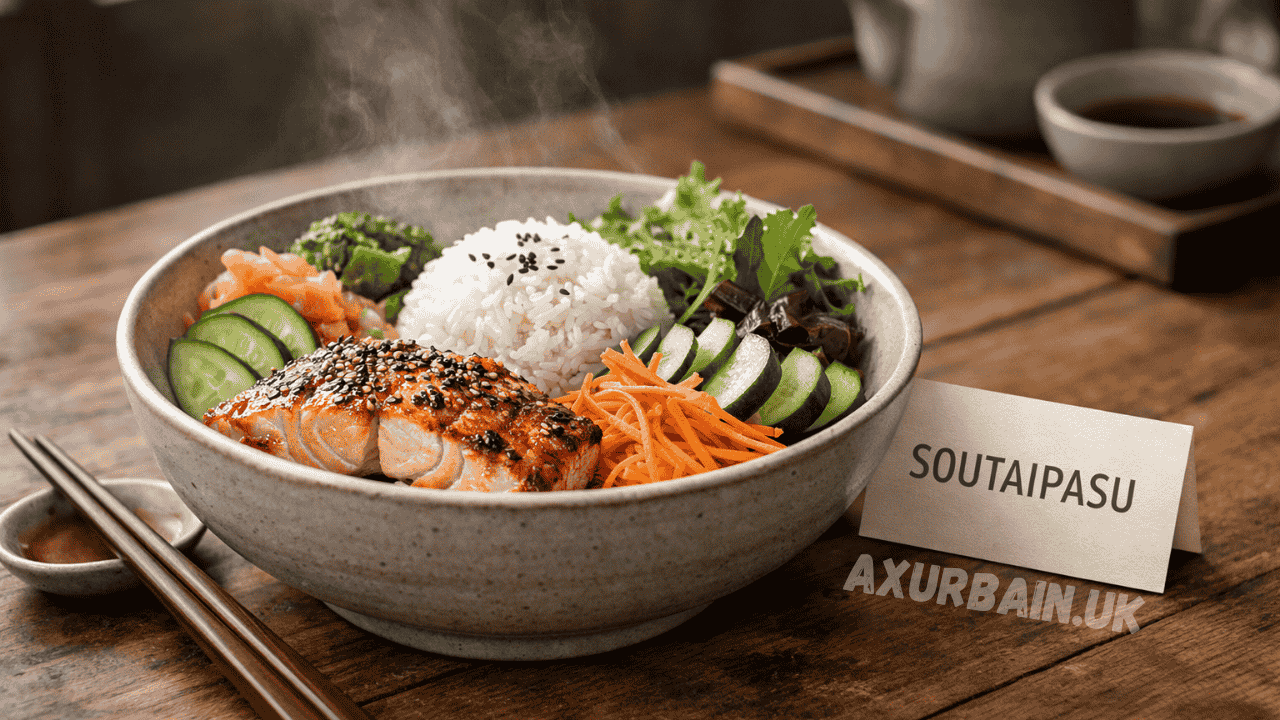
The word soutaipasu has started appearing across blogs and niche websites, often described as a unique food concept rooted in balance and modern culinary ideas. Many readers come across soutaipasu expecting a traditional dish, only to find mixed explanations that don’t quite align. This confusion has turned soutaipasu into an interesting topic for exploration, especially for content creators looking to clarify what’s real and what isn’t. Instead of repeating vague claims, it makes more sense to examine the available information and present it in a clear, grounded way. This article breaks down soutaipasu as it appears in food-related content and explains what people are actually referring to.
what soutaipasu is claimed to be in food context
When described as food, soutaipasu is usually presented as a modern, balanced dish rather than a specific recipe. Most sources describe it as a combination of fresh ingredients arranged in a visually appealing way. The focus is often on harmony between flavors, textures, and colors rather than strict cooking rules. This makes soutaipasu feel more like a concept than a defined meal. It is often framed as something flexible that can adapt to different ingredients and styles.
Writers who describe soutaipasu as food tend to highlight its connection to mindful eating. The idea revolves around enjoying meals that are both nutritious and aesthetically pleasing. Instead of heavy or overly processed dishes, soutaipasu is linked to lighter, cleaner eating habits. This approach makes it appealing to audiences interested in wellness and modern food trends. However, the lack of consistency across descriptions raises questions about its authenticity.
common ingredients associated with soutaipasu
Although there is no fixed recipe, many articles describing soutaipasu repeat similar ingredient patterns. These ingredients reflect a general healthy eating style rather than a unique culinary identity. The combinations often resemble dishes already common in Japanese-inspired or fusion cuisine.
Typical ingredients mentioned include:
- fresh vegetables such as lettuce, cucumber, and shredded carrots
- a base like rice, quinoa, or other grains
- light proteins such as grilled fish or chicken
- fermented elements like pickles or miso
- simple sauces made with soy, citrus, or sesame
These ingredients are widely used in many cuisines, which suggests that soutaipasu is not tied to a specific tradition. Instead, it appears to borrow familiar elements and group them under a new label. This pattern is one reason why soutaipasu feels more like a constructed idea than an established dish.
flavor profile and presentation style
One of the most repeated ideas linked to soutaipasu is balance. Writers often describe it as combining sweet, salty, and umami flavors in a single plate. The goal is not to overpower the palate but to create a smooth and satisfying eating experience. This aligns with broader principles found in many Asian cuisines, especially those focused on simplicity and freshness. Still, these principles are not unique to soutaipasu itself.
Presentation also plays a major role in how soutaipasu is described. The food is usually arranged carefully to create visual harmony. Colors are balanced, portions are neat, and the plate looks intentional rather than random. This emphasis on appearance adds to the idea that soutaipasu is more about concept than tradition. It reflects modern dining trends where presentation matters as much as taste.
the supposed origin of soutaipasu
Many websites attempt to connect soutaipasu to Japanese culture, but the explanations often lack depth. Some describe it as inspired by traditional philosophies of balance and seasonality. Others claim it is part of a modern fusion movement without pointing to any specific origin. This inconsistency makes it difficult to trace soutaipasu back to a real cultural source. There are no known regions, chefs, or historical records tied to it.
Instead, soutaipasu appears to exist mainly in online content rather than real-world culinary practice. It is often presented in a way that sounds authentic but lacks supporting details. This pattern is common in content created to attract search traffic rather than inform readers. As a result, the origin of soutaipasu remains unclear and likely constructed.
why soutaipasu is gaining attention online
The rise of soutaipasu can be linked to how content spreads online. Unique or unfamiliar terms tend to attract curiosity, especially when tied to food. People searching for new recipes or trends may come across soutaipasu and want to learn more. This creates a cycle where more articles are written, even if the information is repetitive or unclear. Over time, the term gains visibility without gaining credibility.
Several factors contribute to its popularity:
- curiosity around unfamiliar food terms
- interest in healthy and balanced meals
- content creators looking for unique keywords
- the appeal of fusion and modern cuisine ideas
These factors help explain why soutaipasu keeps appearing despite limited evidence of its existence as a real dish. It fills a gap between curiosity and content creation.
analyzing the credibility of soutaipasu as a real dish
Looking closely at the available information, there are clear signs that soutaipasu may not be a genuine culinary item. The descriptions are often vague and repeated across multiple sources. There is no consistency in how it is prepared or served. More importantly, there is no recognition of soutaipasu in established culinary references. This makes it difficult to treat it as a legitimate dish.
Another issue is the lack of cultural context. Real foods usually have a story, whether tied to a region, tradition, or historical background. Soutaipasu lacks this depth, which weakens its credibility. Instead of being rooted in culture, it seems to exist mainly as an idea shaped by online content. This does not mean it has no value, but it should be understood for what it is.
how soutaipasu fits into modern food trends
Even if soutaipasu is not a traditional dish, it still reflects current food trends. The focus on balance, simplicity, and presentation aligns with how people are eating today. Many diners prefer meals that feel light but satisfying, and that look appealing on the plate. In this sense, soutaipasu represents a broader shift in food culture rather than a specific recipe.
It also highlights the growing influence of digital content on how food is perceived. New terms can gain traction quickly, even without strong foundations. Soutaipasu is an example of how ideas can spread and evolve based on interest rather than authenticity. This makes it relevant as a topic, even if it is not a real dish.
should you treat soutaipasu as a real food concept
If you are writing or researching soutaipasu, it is important to approach it carefully. Presenting it as a confirmed dish would be misleading. Instead, it makes more sense to describe it as a loosely defined concept shaped by online trends. This allows you to provide value without spreading incorrect information. Readers are more likely to trust content that acknowledges uncertainty rather than ignoring it.
At the same time, soutaipasu can still be used creatively. It can serve as inspiration for balanced, visually appealing meals. The idea of combining fresh ingredients in a thoughtful way is not new, but it is still useful. By framing soutaipasu as a concept rather than a tradition, you keep your content accurate and engaging.
conclusion
Soutaipasu is a term that has gained attention online, mainly through food-related content that describes it as a balanced and visually appealing dish. While the descriptions often sound convincing, there is little evidence to support soutaipasu as a real or traditional food. Instead, it appears to be a constructed concept that reflects modern trends in healthy eating and presentation. Understanding this distinction is important for anyone writing about soutaipasu or trying to make sense of it. Rather than treating it as an established dish, it is more accurate to view soutaipasu as an example of how online content can shape new ideas around food. This approach keeps your content clear, honest, and more valuable to readers.
faqs
- what is soutaipasu in food terms
Soutaipasu is described online as a balanced, fusion-style dish, but it does not have a verified origin or fixed recipe. - is soutaipasu a traditional japanese dish
No, there is no strong evidence linking soutaipasu to traditional Japanese cuisine or history. - what ingredients are used in soutaipasu
Common descriptions include vegetables, rice or grains, light proteins, and simple sauces. - why is soutaipasu popular online
It gains attention بسبب curiosity, unique naming, and interest in healthy eating trends. - can i create my own version of soutaipasu
Yes, since it is not a fixed dish, you can treat it as a flexible concept and build your own balanced meal around it.





Leave a Reply